
The Home Improvement Decisions That Make Everyday Living Easier
A comfortable home is about more than attractive finishes, updated appliances, or impressive exterior features. The right home improvements can make everyday routines simpler, create more functional spaces, and help homeowners get more value from their properties. Whether someone wants to spend less time on household maintenance, improve accessibility, or create a more organized environment, thoughtful upgrades can make a noticeable difference in daily life.
However, not every renovation needs to be a major undertaking. Some of the most valuable improvements involve addressing small inconveniences that homeowners encounter regularly. From improving insulation and updating flooring to making outdoor areas easier to maintain, strategic decisions can create a home that better supports changing needs.
In this article, we’ll explore several home improvement decisions that can make everyday living easier, including upgrades that improve comfort, accessibility, organization, and long-term property maintenance.
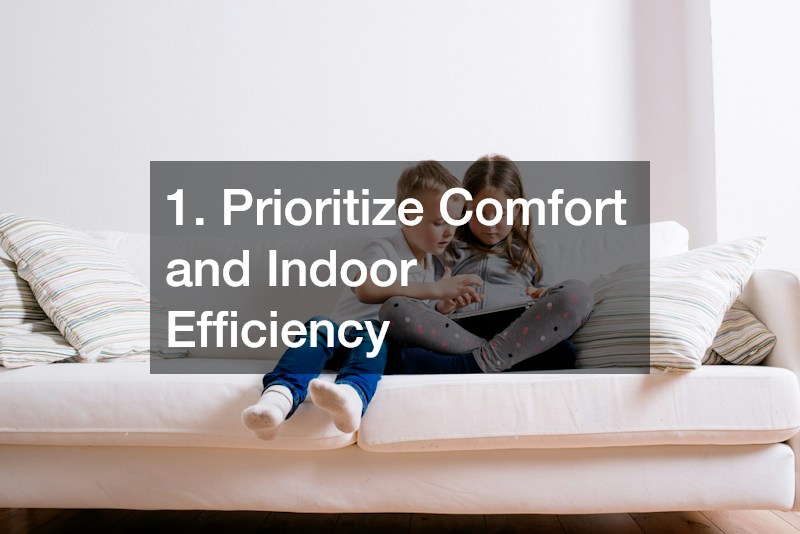
1. Prioritize Comfort and Indoor Efficiency
A comfortable indoor environment can influence everything from sleep quality to household productivity. Temperature fluctuations, poor ventilation, and outdated building materials can make certain rooms less enjoyable to use. Addressing these concerns can help homeowners create a more consistent and welcoming living environment.
Improve the Home’s Insulation
Insulation is an important consideration for homeowners who want to maintain comfortable indoor temperatures throughout the year. When insulation is inadequate, heated or cooled air can escape through areas such as attics, walls, and crawl spaces. This can make heating and cooling systems work harder to maintain the desired temperature.
Working with a local attic insulation company can help homeowners identify areas where additional insulation may improve the property’s thermal performance. A professional can assess existing materials, identify potential gaps, and recommend an appropriate solution based on the home’s construction and climate.
Better insulation can also help reduce temperature differences between floors and rooms. Homeowners may notice that previously uncomfortable spaces become more usable throughout the year. Although insulation improvements require an initial investment, the potential for improved comfort and energy efficiency can make them worthwhile over time.
Address Roofing Concerns Early
The roof is another important part of maintaining a comfortable home. Damaged shingles, deteriorating flashing, and drainage problems can allow moisture to enter the structure, potentially affecting ceilings, walls, insulation, and other interior materials.
Having a qualified roofer inspect the property when signs of damage appear can help homeowners address concerns before they become more extensive. Missing shingles, water stains, visible sagging, and recurring leaks are all reasons to investigate the roof’s condition.
Roof maintenance is especially important because some problems may develop without immediately becoming noticeable inside the home. Regular inspections and timely repairs can help protect the property’s interior while reducing the likelihood of unexpected disruptions.
Address Plumbing Problems
Functional plumbing supports many everyday activities, from preparing meals and washing dishes to bathing and doing laundry. When pipes leak, drains clog, or fixtures stop working properly, even simple household routines can become frustrating.
Homeowners should address plumbing concerns instead of allowing recurring problems to become part of their daily routines. Experienced plumbing companies can inspect plumbing systems, identify potential sources of trouble, and recommend repairs or replacements when necessary.
Upgrading older fixtures can also make everyday tasks more convenient. For example, replacing an outdated faucet with a more functional design may improve access and usability in the kitchen. Similarly, updating shower fixtures can create a more comfortable bathing experience.

2. Make Every Room More Functional
A well-designed home should support the activities that take place in each room. Sometimes, a space becomes inconvenient because its layout no longer matches the household’s needs. Rather than immediately adding more square footage, homeowners can consider improvements that make better use of their existing interiors.
Choose Flooring That Supports Daily Routines
Flooring affects how comfortable, practical, and accessible a home feels. Different rooms experience different levels of foot traffic, moisture, and everyday wear, so choosing materials based on their intended use can make a significant difference.
For example, durable flooring may be particularly useful in entryways, kitchens, and other frequently used spaces. Bedrooms and living rooms may benefit from materials that create a warmer, more comfortable atmosphere.
Working with experienced local flooring contractors can help homeowners compare materials, evaluate installation requirements, and select flooring that complements their lifestyles. Professional installation can also help prevent issues such as uneven surfaces, premature wear, and gaps between flooring sections.
When choosing new flooring, homeowners should consider maintenance requirements as well as appearance. Materials that are easy to clean and maintain may be especially valuable in busy households with children, pets, or frequent visitors.
Improve Storage and Organization
Clutter can make even a spacious home feel difficult to navigate. When everyday belongings lack designated storage areas, countertops, hallways, and living spaces can quickly become overcrowded.
Adding built-in cabinets, closet organizers, pantry shelving, or multifunctional furniture can help create more organized interiors. Homeowners may also benefit from evaluating underused areas, such as the space beneath staircases or inside large closets.
A practical storage system should make frequently used belongings easy to access. For example, placing kitchen supplies near the areas where meals are prepared can reduce unnecessary movement. Similarly, creating an organized entryway with hooks, shelves, and shoe storage can make leaving the house less stressful.
These improvements do not necessarily require extensive renovations. Sometimes, rearranging existing furniture or adding a few strategically placed storage solutions can make a room noticeably more functional.
Create More Flexible Living Areas
Households change over time, and rooms may need to serve different purposes as those changes occur. A guest bedroom might eventually become a home office, while an unused dining area could provide additional space for hobbies or family activities.
Flexible furniture and thoughtful layouts can help homeowners adapt without undertaking major construction projects. Foldable desks, storage ottomans, modular seating, and convertible guest beds are examples of features that support multiple uses.
The goal is to make each room useful without overcrowding it. Leaving enough open space for movement can improve comfort and make daily activities easier to manage.
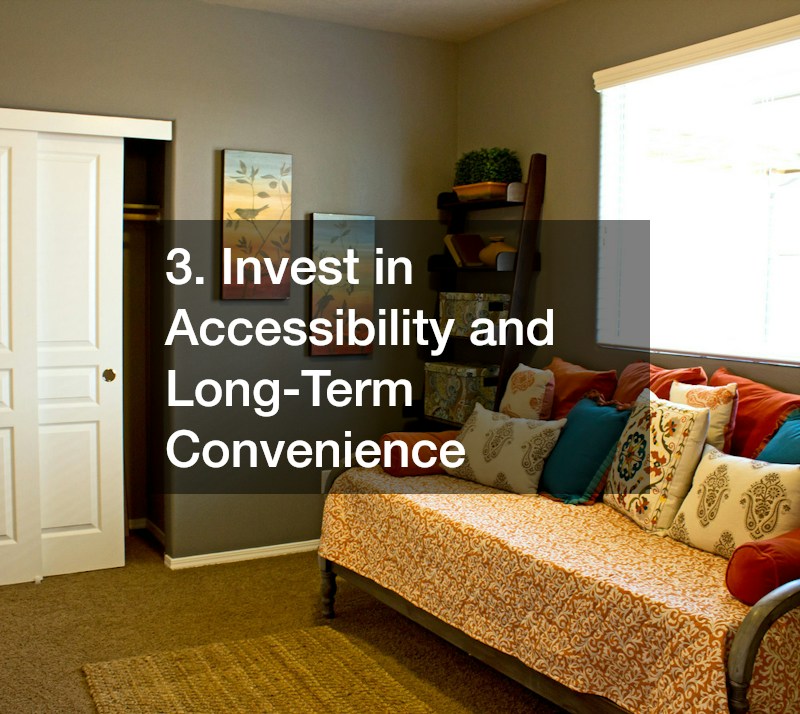
3. Invest in Accessibility and Long-Term Convenience
Home improvements should account for both current household needs and potential changes in the future. Features that improve accessibility can make a property more comfortable for people with different mobility levels while allowing homeowners to remain in their homes longer.
Consider Staircase Accessibility
Stairs can become a significant obstacle for individuals who experience mobility limitations, balance concerns, or difficulty climbing between floors. When a home has multiple levels, addressing staircase accessibility may be an important improvement.
Professional stair lift installation can provide a practical way to move between floors without requiring someone to climb the stairs independently. These systems typically use a motorized seat that travels along a rail installed beside the staircase.
Before choosing a system, homeowners should consider staircase dimensions, available space, weight requirements, and the intended user’s needs. Consulting an experienced installer can help determine which configuration is appropriate for the property.
Accessibility improvements can also involve smaller adjustments. Installing sturdy handrails, improving staircase lighting, reducing tripping hazards, and choosing slip-resistant surfaces can make movement around the home safer and more comfortable.
Update Lighting and Electrical Features
Lighting has a major influence on how people use their homes. Dark hallways, poorly illuminated staircases, and insufficient task lighting can make ordinary activities more difficult.
Adding recessed lighting, under-cabinet fixtures, motion-activated lights, or adjustable lamps can improve visibility in frequently used areas. Homeowners may also consider replacing outdated switches with more convenient controls or installing dimmers to adjust brightness based on different activities.
Electrical improvements can provide additional convenience as well. Adding outlets in practical locations may reduce reliance on extension cords, while upgrading an outdated electrical panel may help accommodate modern household equipment when recommended by a qualified electrician.
Smart home features can also simplify everyday routines. Programmable thermostats, automated lighting, and smart door locks allow homeowners to manage certain household functions more conveniently. These technologies are most useful when they address a specific need rather than simply adding unnecessary complexity.
Make Bathrooms Easier to Use
Bathrooms are among the most frequently used areas of a home, making their functionality especially important. A poorly designed bathroom can create unnecessary inconvenience, particularly when storage is limited or fixtures are difficult to access.
Replacing an outdated vanity with one that offers better storage can help keep personal care products organized. Walk-in showers, handheld showerheads, grab bars, and accessible faucets may also improve convenience for individuals with changing mobility needs.
Homeowners should consider slip-resistant flooring and adequate lighting when planning bathroom improvements. These details can contribute to a more practical space without compromising its overall appearance.
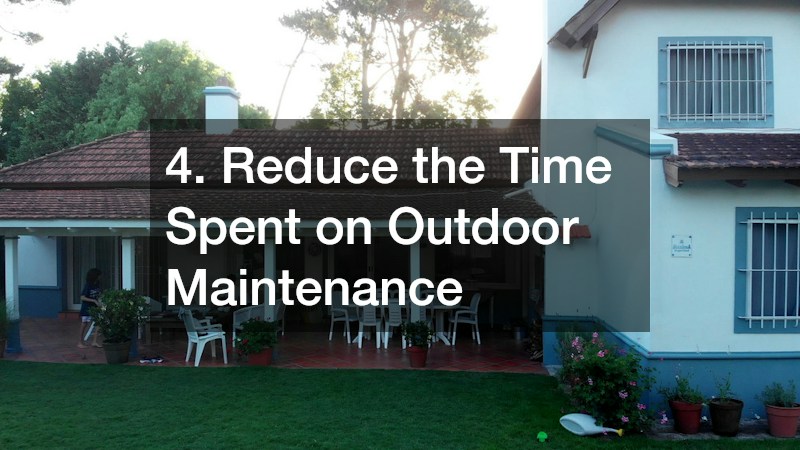
4. Reduce the Time Spent on Outdoor Maintenance
Outdoor spaces can improve a property’s appearance and provide additional areas for relaxation. However, maintaining landscaping, fencing, and exterior features can become time-consuming without the right improvements.
Simplify Landscaping Requirements
A beautiful yard does not necessarily need an elaborate landscape design. Choosing plants suited to the local climate, reducing high-maintenance garden beds, and incorporating practical landscaping features can make outdoor upkeep more manageable.
Homeowners who have limited time for yard maintenance may benefit from hiring a professional lawn care service. Routine mowing, edging, fertilization, and other appropriate services can help maintain the property’s appearance without requiring homeowners to complete every task themselves.
Another useful improvement is creating clearly defined outdoor areas. Mulch beds, stone pathways, and strategically placed shrubs can help organize the landscape while reducing the amount of grass that requires regular attention.
Choosing low-maintenance plants can also make a difference. Native and climate-appropriate varieties may require less intervention once established, depending on their specific growing conditions.
Prepare for Seasonal Weather
Seasonal maintenance is another consideration when planning improvements that make outdoor living easier. Properties in colder climates may require additional attention during winter, particularly when driveways, walkways, and entrances become covered in snow or ice.
Arranging professional snow removal can help homeowners maintain access to important areas without having to handle every snowfall themselves. This may be especially helpful for people with demanding schedules or limited physical mobility.
Other seasonal improvements can include installing durable outdoor lighting, maintaining drainage systems, and choosing weather-resistant materials for exterior features. Preparing for seasonal conditions ahead of time can reduce unexpected maintenance demands.
Install Durable and Practical Fencing
Fencing can improve privacy, establish property boundaries, and create a more defined outdoor environment. However, choosing the right material and design is important because fencing needs to withstand weather conditions and regular exposure to the elements.
Wood fencing remains a popular option for homeowners who prefer a traditional appearance and natural materials. It can complement many architectural styles and provide privacy when installed at an appropriate height and configuration.
Before installing a fence, homeowners should consider maintenance requirements, property boundaries, local regulations, and the intended purpose of the structure. Some designs may prioritize privacy, while others may focus on defining garden areas or creating a safe space for pets.
Proper installation and periodic maintenance can help extend the fence’s useful life. Selecting materials that match the property’s conditions and the homeowner’s maintenance preferences can make outdoor upkeep more manageable.
5. Plan Renovations With Organization in Mind
Even relatively straightforward home improvements can create temporary disruptions. Construction materials, removed fixtures, packaging, and other debris can quickly accumulate, making it harder to keep the property organized throughout a project.
Prepare for Renovation Waste
Before starting a renovation, homeowners should consider how materials and debris will be collected and removed. This is particularly important for projects involving flooring replacement, bathroom updates, landscaping changes, or larger structural improvements.
Working with a roll off rental company can provide access to a container designed to hold renovation debris. Having a designated disposal area can help keep materials from accumulating in driveways, yards, or other frequently used spaces.
The appropriate container size will depend on the project’s scope and the types of materials being discarded. Homeowners should also confirm which materials are accepted and whether certain disposal restrictions apply.
Choose Convenient Waste Disposal Options
Different projects generate different amounts of waste. A small bathroom renovation may produce a manageable amount of debris, while a major home cleanout or extensive remodeling project could require a larger disposal solution.
Arranging dumpster rentals before work begins can help homeowners establish a more organized cleanup process. Instead of repeatedly transporting debris away from the property, workers can place approved materials in a designated container as the project progresses.
Planning disposal arrangements early can also help prevent unnecessary delays. Homeowners should coordinate delivery and pickup schedules with contractors to avoid interfering with construction activities or access to the property.
Establish a Realistic Improvement Timeline
Another important part of making renovations easier is deciding which projects should happen first. Attempting to complete several major improvements simultaneously can create unnecessary stress, especially when multiple areas of the home become temporarily unusable.
Homeowners can begin by identifying the issues that affect everyday comfort or safety most significantly. Problems involving leaks, damaged roofing, inadequate heating or cooling, and accessibility may deserve attention before purely decorative upgrades.
Once priorities are established, projects can be scheduled according to available time, budget, and contractor availability. Building some flexibility into the timeline can also help accommodate unexpected repairs or material delays.
6. Focus on Improvements That Provide Lasting Value
Not every home improvement needs to deliver an immediate visual transformation. Some of the most useful upgrades are those that continue making daily life easier long after installation.
Balance Initial Costs With Ongoing Benefits
When evaluating a potential renovation, homeowners should consider more than its initial price. Maintenance requirements, expected durability, energy consumption, and the frequency of future repairs can all influence the long-term value of an improvement.
For example, installing durable flooring may cost more initially than choosing a less expensive alternative, but its performance over time could make it a practical investment. Similarly, improving insulation may contribute to more consistent indoor temperatures and reduced heating and cooling demands.
Homeowners should compare available options and consider how each improvement fits their household’s priorities. A renovation that solves a recurring inconvenience may provide more everyday value than an expensive cosmetic upgrade.
Choose Quality Workmanship
The quality of installation can have a significant impact on how well an improvement performs. Even high-quality materials may create problems when they are installed incorrectly or used in applications for which they are not suitable.
Hiring qualified professionals for specialized work can help homeowners avoid preventable issues. Before selecting a contractor, it is useful to review their experience, verify appropriate licensing and insurance when required, and request clear project estimates.
Homeowners should also ask about warranties, maintenance recommendations, and expected project timelines. Understanding these details can make it easier to plan improvements and set realistic expectations.
Think About Future Household Needs
A home should be able to accommodate changes in how its occupants live. Features that provide flexibility today may become even more valuable as household needs evolve.
For example, wider pathways, accessible bathrooms, adaptable storage, and improved lighting can support a range of needs over time. Likewise, creating a dedicated workspace or improving shared living areas can make the home more practical for changing schedules and activities.
Considering future use during the planning stage can help homeowners avoid unnecessary renovations later. Rather than focusing exclusively on current preferences, they can prioritize improvements that offer lasting functionality.
Making everyday living easier starts with recognizing which parts of a home create unnecessary inconvenience. Improvements that enhance comfort, accessibility, organization, and maintenance can transform how homeowners use their spaces without requiring a complete renovation.
By prioritizing practical upgrades, choosing durable materials, and planning projects carefully, homeowners can create an environment that better supports their routines and long-term needs. Thoughtful home improvement decisions can make a property more enjoyable, functional, and comfortable for years to come.