Smart Roof Replacement Strategies for Cost-Conscious Homeowners
Replacing a roof is one of the most significant investments a homeowner can make, and for those working within a tight budget, the process can feel especially daunting. While the cost can be substantial, a well-planned approach can help you avoid unnecessary expenses while still achieving a durable, long-lasting result. By understanding your options, asking the right questions, and making informed decisions at every stage, you can protect your home without overspending.
This guide outlines practical, cost-conscious strategies to help homeowners navigate the roof replacement process with confidence, from early planning to long-term maintenance.
Assess Your Roof’s Condition Before Committing to Replacement
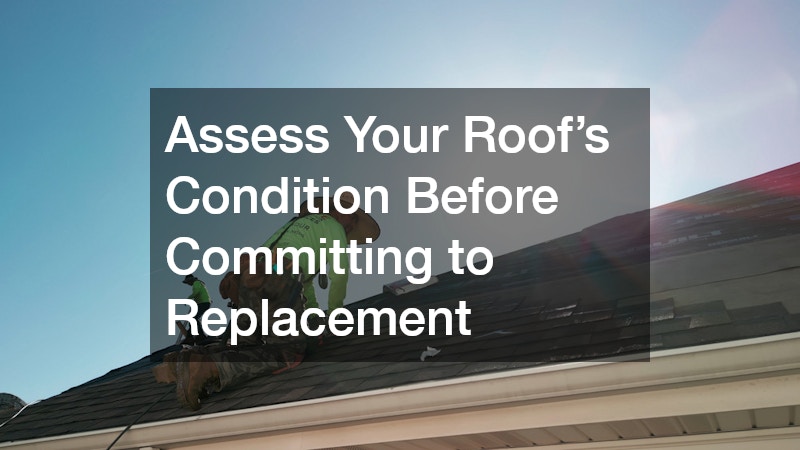
Before committing to a full roof replacement, it’s essential to determine whether it’s truly necessary. Many homeowners assume replacement is the only option, when in some cases, targeted repairs may extend the life of the roof for several more years.
Start with a basic inspection from the ground using binoculars. Look for warning signs such as:
- Missing or curling shingles
- Dark streaks or moss growth
- Sagging areas or uneven lines
- Debris accumulation in valleys
Inside the home, check for:
- Water stains on ceilings or walls
- Mold or mildew in the attic
- Light coming through the roof boards
If these issues appear widespread, a roof replacement may be unavoidable. However, smaller, localized damage could be addressed through repairs offered by residential roofing services, saving you money in the short term.
Professional inspections are also worth the investment. A trained expert can identify structural issues, ventilation problems, and hidden damage that may not be visible to the untrained eye. Catching these problems early allows you to plan ahead instead of reacting to emergencies.
Set a Realistic Budget With Hidden Costs in Mind
Establishing a clear, realistic budget is one of the most important steps in managing your roofing project. Many homeowners underestimate the full scope of expenses, focusing only on materials and labor while overlooking additional costs.
A comprehensive budget should include:
- Material costs (shingles, underlayment, flashing)
- Labor charges from the roofing contractor
- Permit and inspection fees
- Disposal and cleanup costs
- Structural repairs if damage is discovered
- A contingency fund of 10–15%
Different roofing services may bundle or separate these costs, so it’s important to ask for a detailed breakdown. Transparency helps you compare options and avoid surprises later.
When working with a roofing contractor, ask specific questions about potential extra charges. For example:
- What happens if the decking needs replacement?
- Are there additional fees for steep roofs or difficult access?
- Is cleanup included in the quote?
Planning for these variables ensures your budget remains intact even if unexpected issues arise.
Compare Multiple Estimates Without Sacrificing Quality
Getting multiple quotes is a fundamental step in finding the right balance between cost and quality. Relying on a single estimate can lead to overpaying or choosing a contractor who may not meet your expectations.
Reach out to at least three providers, including a local roofing company, and request detailed written estimates. When reviewing them, don’t just focus on the final price—look closely at what’s included.
Key factors to compare:
- Material quality and brand
- Scope of work
- Project timeline
- Warranty coverage
- Cleanup and disposal services
The best roofers will provide clear, itemized estimates and take the time to explain their recommendations. They should also be willing to answer questions without pressuring you into a quick decision.
Be cautious of unusually low bids. While they may seem appealing, they often indicate lower-quality materials, inexperienced labor, or hidden costs that emerge later.
Choose Cost-Effective Materials That Maximize Longevity

Material selection plays a major role in both the upfront cost and long-term value of your roof. While it may be tempting to choose the cheapest option, investing in durable materials can save money over time by reducing maintenance and replacement frequency.
Common roofing materials include:
- Asphalt shingles: Affordable and widely available
- Wood shakes: Attractive but higher maintenance
- Tile: Long-lasting but heavy and expensive
- Metal roofing: Durable and energy-efficient
Metal roofing, in particular, has gained popularity for its longevity and low maintenance requirements. Although the initial cost is higher, it can last significantly longer than traditional materials.
Material choice also impacts roof installation costs. Heavier or more complex materials may require additional labor or structural reinforcement, increasing overall expenses.
When choosing materials, consider:
- Climate and weather conditions
- Energy efficiency
- Expected lifespan
- Maintenance requirements
Balancing these factors helps ensure you get the best value for your investment.
Time Your Project Strategically to Save Money
Timing can have a surprisingly large impact on the cost of your roofing project. Demand for roofing services fluctuates throughout the year, and scheduling your project during slower periods can lead to significant savings.
In many areas, the busiest seasons are late spring through early fall. During these times, the roofing business is in high demand, which can drive up prices and limit availability.
To save money:
- Schedule your project during the off-season (late fall or winter, if weather permits)
- Book early to secure better rates
- Be flexible with your timeline
A local roofer may also offer discounts during slower periods to keep their crews busy. Additionally, you may benefit from faster project completion and more personalized attention.
Planning ahead allows you to avoid emergency replacements, which are often more expensive due to urgency and limited options.
Verify Credentials and Insurance Before Hiring
Hiring a qualified professional is critical to ensuring your project is completed safely and correctly. While it may be tempting to choose the lowest bidder, failing to verify credentials can lead to costly mistakes.
Always confirm that the roofing contractor is:
- Properly licensed in your state
- Fully insured, including liability and workers’ compensation
- Experienced with your chosen materials
A reputable local roofing company will have no issue providing documentation and references. Taking the time to verify these details protects you from liability and ensures the work meets industry standards.
Risks of hiring unqualified contractors include:
- Poor workmanship
- Voided warranties
- Safety hazards
- Unexpected repair costs
Investing in a qualified professional may cost more upfront, but can save significant money in the long run.
Negotiate Scope and Services Without Cutting Corners
Cost-conscious homeowners often look for ways to reduce expenses, but it’s important to do so without compromising quality. One effective approach is to carefully review and negotiate the scope of work.
Start by understanding exactly what is included in the proposed roofing services. Some contractors may include additional features or upgrades that are not essential.
Ways to manage costs:
- Ask for itemized estimates
- Remove unnecessary add-ons
- Explore alternative materials
- Adjust project timelines
Working closely with a roofing business allows you to customize your project based on your priorities and budget. Open communication is key—most contractors are willing to find solutions that meet your needs.
However, avoid cutting corners on critical components such as underlayment, ventilation, and flashing. These elements play a vital role in the roof’s performance and longevity.
Consider Partial Replacement or Overlay Options Carefully
In some cases, a full roof replacement may not be the only option. Partial replacements or overlays can offer short-term savings, but they come with important considerations.
An overlay involves installing new shingles over existing ones, reducing labor and disposal costs. However, this approach may:
- Add extra weight to the structure
- Hide underlying damage
- Shorten the lifespan of the new roof
Residential roofing services can help determine whether this option is appropriate for your home. Partial replacements may also be viable if damage is limited to specific areas.
While these alternatives can reduce upfront costs, they may lead to higher expenses down the line if issues are not fully addressed. Carefully weigh the pros and cons before deciding.
Plan for Energy Efficiency and Long-Term Savings
Energy efficiency is an often-overlooked aspect of roofing projects, but it can have a significant impact on long-term costs. Choosing the right materials and installation methods can help reduce heating and cooling expenses.
Consider options such as:
- Reflective coatings
- Improved insulation
- Proper ventilation systems
Metal roofing is known for its energy efficiency, particularly in warmer climates. It reflects sunlight and reduces heat absorption, helping to lower cooling costs.
Proper roof installation also plays a critical role. Even the best materials will underperform if installed incorrectly. Ensuring proper sealing, alignment, and ventilation maximizes efficiency and extends the roof’s lifespan.
Investing in energy-efficient solutions may increase initial costs but can lead to substantial savings over time.
Maintain Your New Roof to Avoid Future Expenses
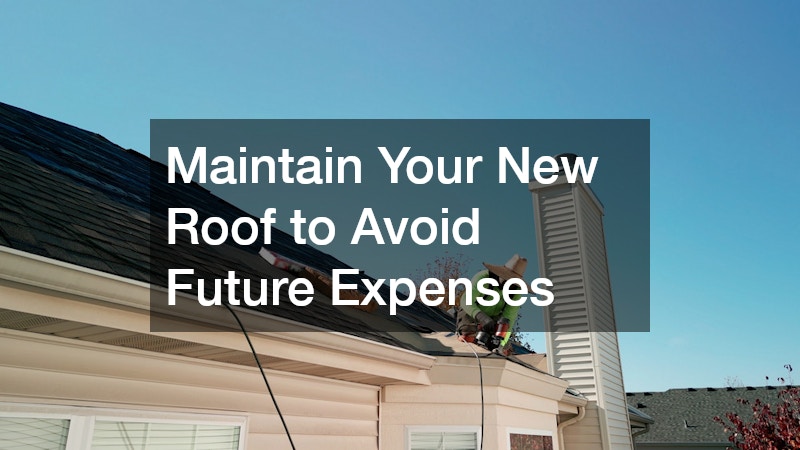
Once your new roof is installed, regular maintenance is essential to protect your investment. Neglecting routine care can lead to premature wear and costly repairs.
Simple maintenance tasks include:
- Cleaning gutters regularly
- Removing debris from the roof
- Inspecting for damage after storms
- Checking flashing and seals
Working with a local roofer for periodic inspections can help identify issues early. The best roofers often offer maintenance programs designed to extend the life of your roof.
Preventive care is far more affordable than major repairs, making it a key component of cost-conscious homeownership.
Understand Warranties and What They Actually Cover
Warranties provide valuable protection, but they can be complex and sometimes misleading. Understanding what is covered—and what isn’t—helps you avoid unexpected expenses and ensures you know exactly what recourse you have if issues arise after the project is completed.
There are typically two types of warranties:
- Manufacturer warranties (covering materials): These warranties are issued by the manufacturer and are designed to protect against defects in the roofing materials themselves. Coverage can vary widely depending on the product, ranging from limited warranties to more comprehensive options. Some may only cover the cost of defective materials, while others may include prorated coverage over time, meaning the value of the coverage decreases as the roof ages.
- Workmanship warranties (provided by the roofing contractor): These warranties cover errors related to installation. Even high-quality materials can fail if they are not installed correctly, so this type of warranty is critical. The length and terms of workmanship warranties vary by contractor, with some offering short-term coverage and others providing extended protection for several years.
When reviewing warranties, pay attention to:
- Coverage duration: Understand how long each warranty lasts and whether the coverage changes over time. Some warranties offer full coverage for an initial period before transitioning to prorated terms.
- Exclusions and limitations: Many warranties include specific conditions that are not covered, such as damage from severe weather, improper maintenance, or unauthorized repairs. Reading the fine print helps you avoid assumptions about what is included.
- Maintenance requirements: Some warranties require routine maintenance or periodic inspections to remain valid. Failing to meet these requirements could result in denied claims, even if the issue would otherwise be covered.
Improper roof installation can void warranties, making it essential to work with a qualified professional. Even small mistakes—such as incorrect flashing placement or inadequate ventilation—can compromise the integrity of the roof and invalidate coverage. Keep all documentation, including contracts, receipts, and warranty certificates, in a safe place, and follow recommended maintenance guidelines to ensure coverage remains valid and enforceable over time.
Avoid Common Budget Mistakes During Roof Replacement
Even with careful planning, homeowners can make mistakes that increase costs unnecessarily. Being aware of these pitfalls helps you stay on track and avoid decisions that may seem economical upfront but lead to larger expenses later.
Common mistakes include:
- Skipping inspections or permits: Overlooking inspections or failing to secure proper permits can result in fines, project delays, or even the need to redo completed work. Inspections also play a crucial role in identifying hidden structural issues before installation begins, which can prevent costly surprises mid-project.
- Choosing the cheapest option without research: While it’s natural to want to minimize costs, selecting the lowest bid without evaluating materials, workmanship, and reputation often leads to poor results. Inferior materials and inexperienced labor can shorten the lifespan of your roof and increase the likelihood of repairs.
- Hiring an unverified local roofing company: Failing to confirm credentials, insurance, and references can expose you to liability and subpar workmanship. An unverified local roofing company may cut corners or lack the expertise needed to complete the job correctly, ultimately costing more in corrections and repairs.
- Ignoring long-term costs in favor of short-term savings: Opting for lower-quality materials or skipping essential components like proper ventilation may reduce upfront expenses but can lead to higher energy bills, more frequent maintenance, and earlier replacement needs.
- Failing to plan for unexpected repairs: Roof replacement projects often uncover underlying issues such as rotted decking or water damage. Without a contingency budget, these discoveries can disrupt your finances and delay the project.
Reliable roofing services can guide you through the process and help you avoid these errors by providing clear estimates, professional recommendations, and thorough project planning. Taking a proactive approach ensures a smoother, more cost-effective project while protecting the long-term value of your home.
Conclusion
A roof replacement doesn’t have to strain your finances. With thoughtful planning, informed decision-making, and a focus on long-term value, homeowners can complete this major project without overspending. By assessing your needs, comparing options, and working with qualified professionals, you can achieve a durable, high-quality result that protects your home for years to come.